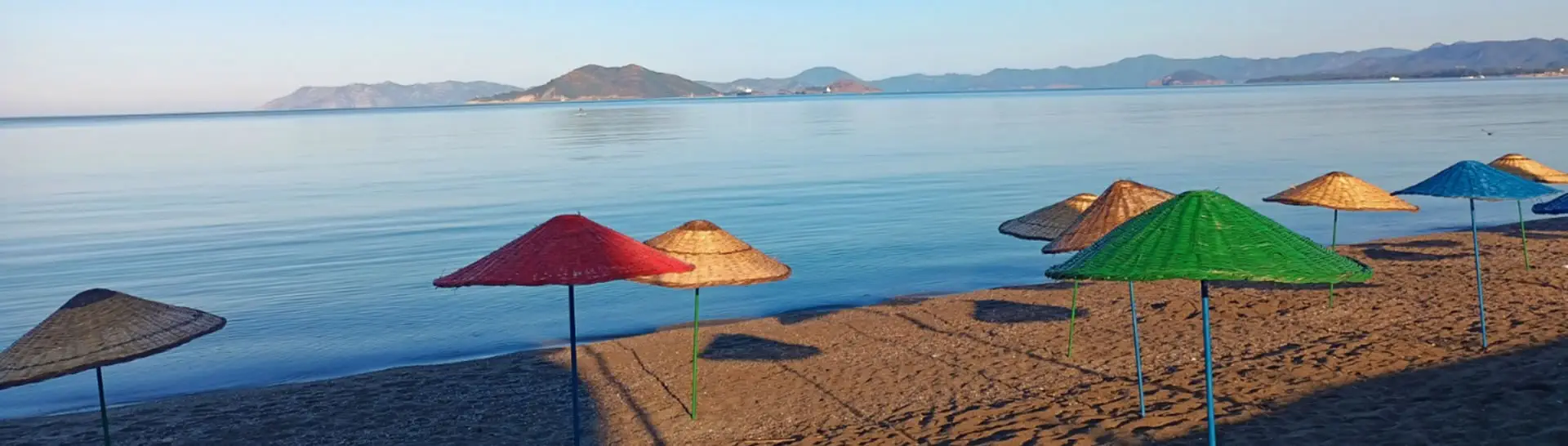
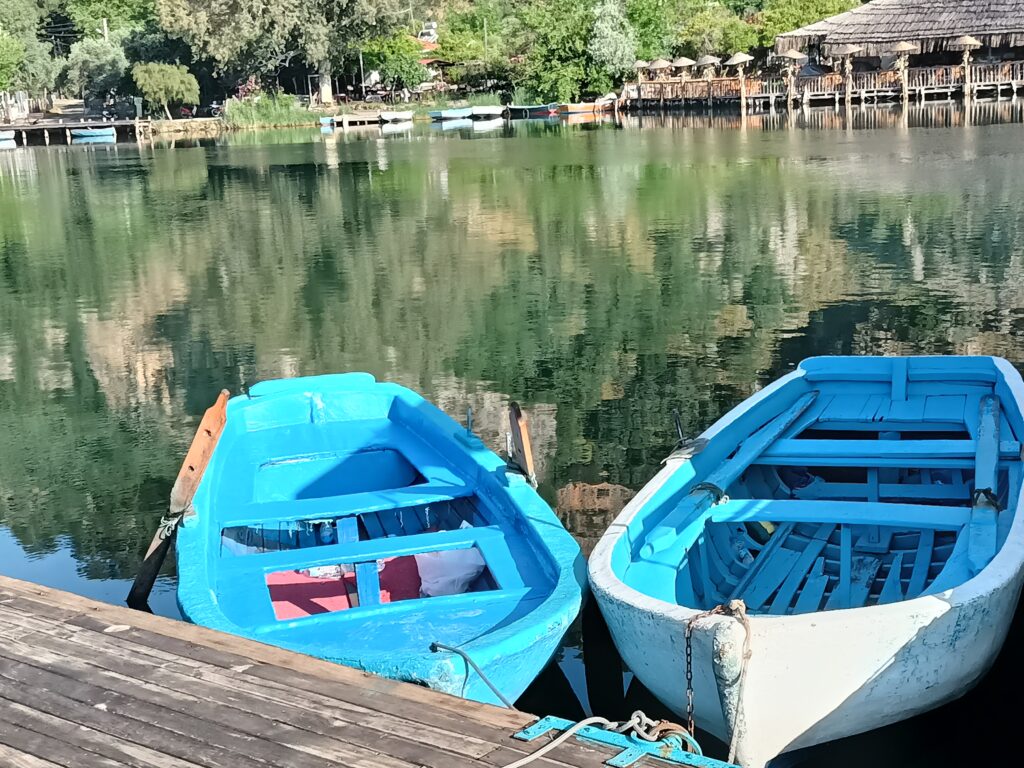
Dalyan - for 40TL you can get a ride to the other side!
It has been a busy couple of months, but I’ve managed to keep writing and have started a third book in the Turkish Village series. I have also moved forward with the book, Precious Things, and though it’s still not published (waiting on ISBNs … again!), I have sent it to some advance readers and had a lot of positive reviews. One of the best, was a message from the sister of the lady who inspired the book, who felt the emotions of hoarders were portrayed well. This month saw Hoarding Awareness Week in the UK, and there is a lot of attention and effort at the moment, surrounding the establishment of a coordinated plan for helping people with hoarding disorder; hopefully the book might go a small way to adding to the discussion.
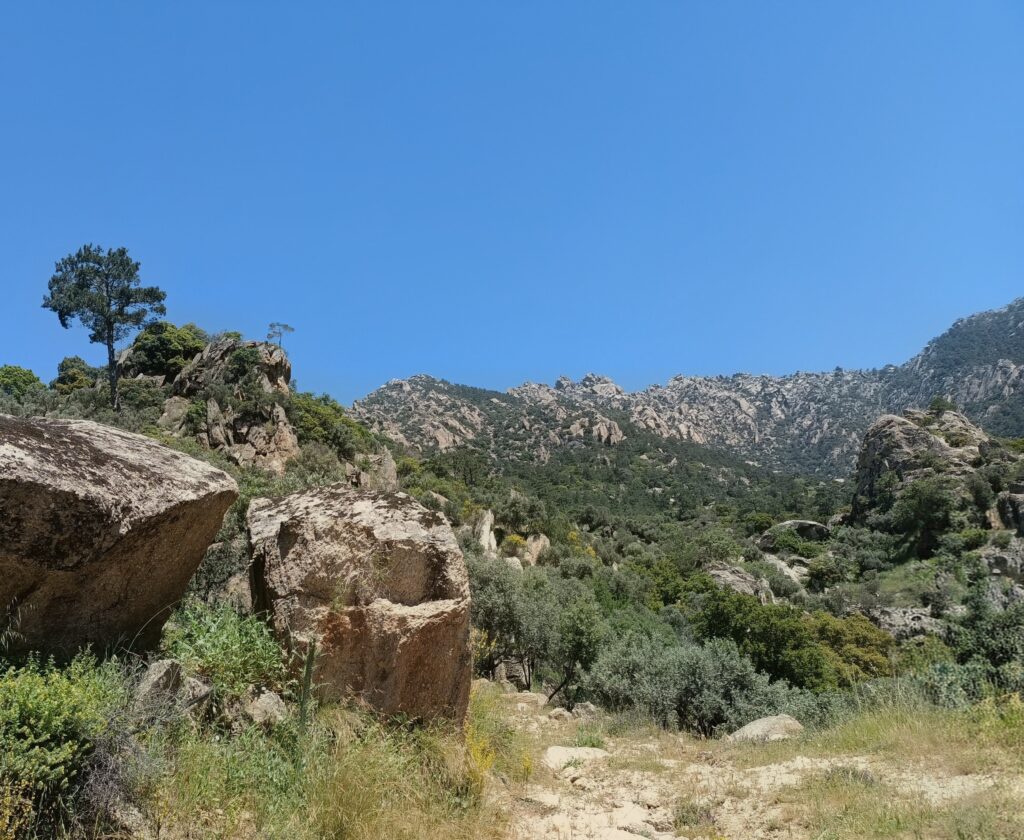
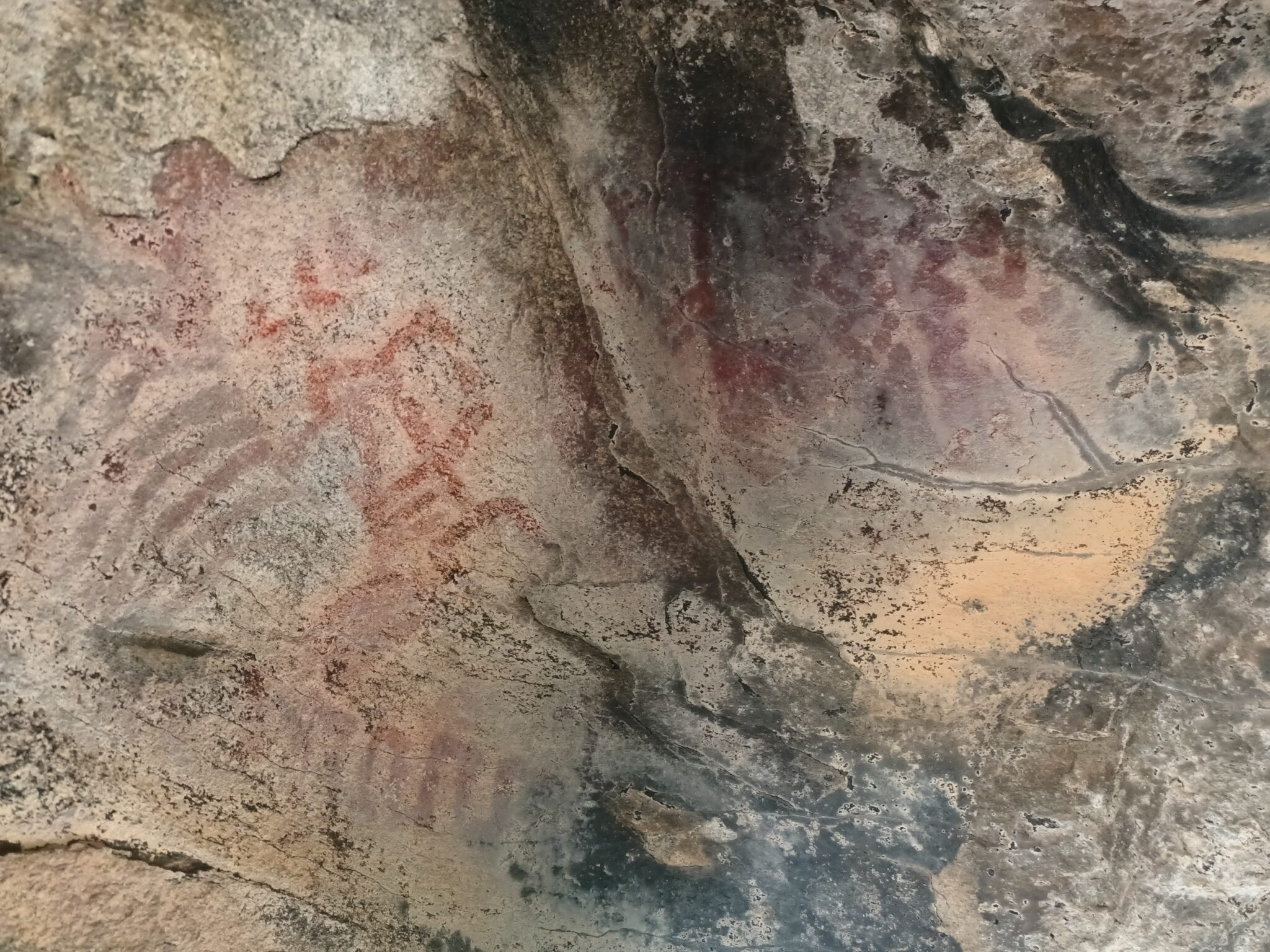
I managed a few trips away this month. I went to Lake Bafa with friends who were visiting from the UK, and we set off on a hike to see some of the many 8,000 year old cave paintings that have been discovered in the area. Thanks to Wikiloc (app for sharing GPS routes for hiking, cycling etc), it was easy to find a path that lead us up a stunning mountain track to two lots of paintings. These included some geometric designs, and some pictures, and I wondered if the painter was actually trying to tell a story … or just doodling whilst sheltering from a storm!
The path above Lake Bafa
8,000 year old doodles
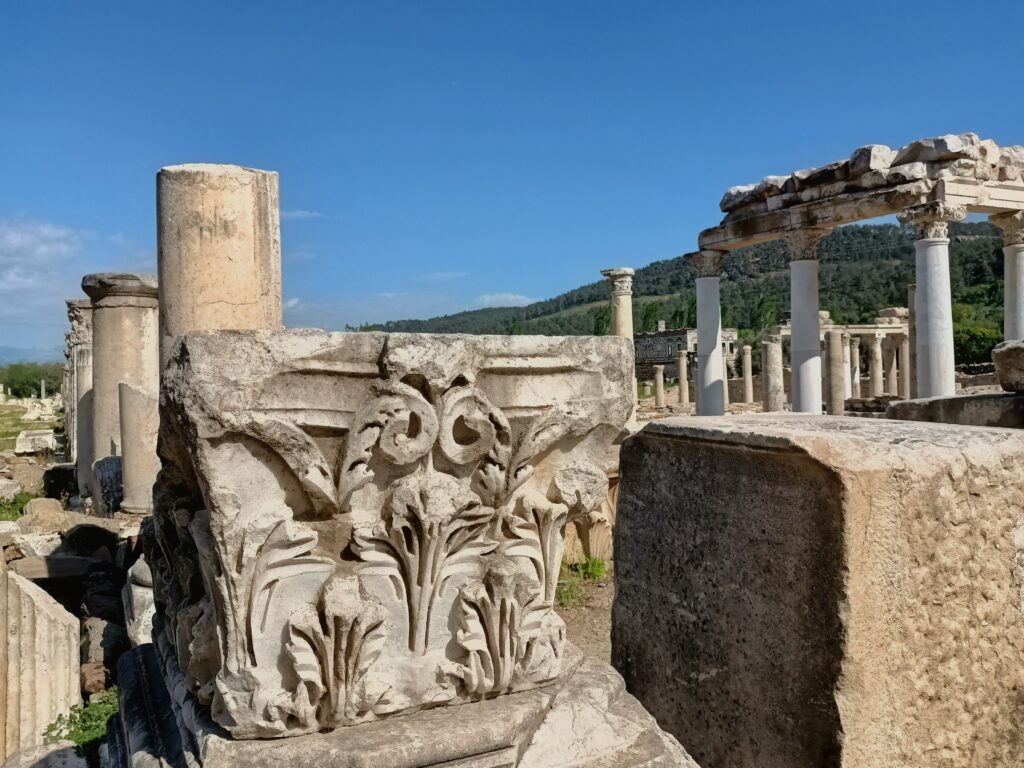
We fitted in two ancient sites on our travels: Stratonikeia and Laodikeia. Both were named after commander’s wives and both were built on a grid plan and became part of the Roman Empire. Stratonikeia was known as a centre for gladiators, who were trained there, did demonstrations and retired there. It has a huge gymnasium and a theatre that could seat 12,000, currently being reconstructed. It was a glorious day when we visited and the place was virtually deserted, which gave it a mystical feel.
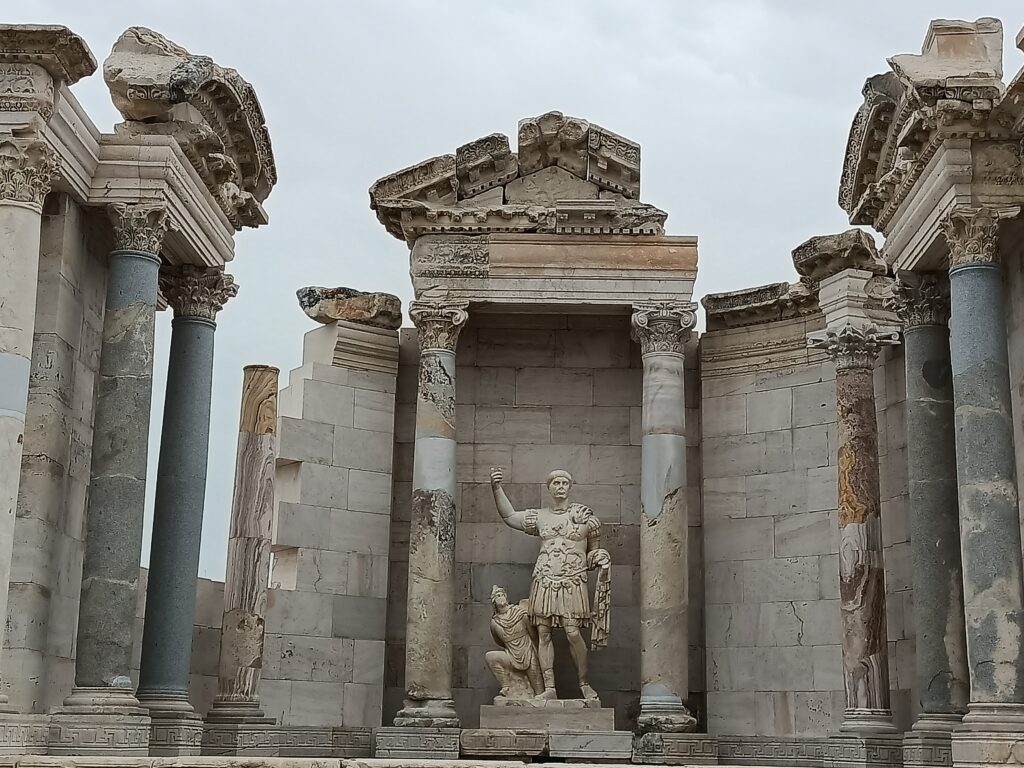
Situated in the middle of a plateau, Laodikeia was an important trade post, and a place of healing. It is unusual in having two theatres. It is a huge and impressive site, but it was quite busy, despite the awful weather, and it’s harder to conjure up the past with a coachload of tourists in Pac-a-Macs being herded round by a guide waving an umbrella! Still, the above picture shows the amazing fountain dedicated to the Emperor Trajan—less well-known than many, but one of the really good ones!
Stratonikeia
The Trajan Nymphaeum at Laodikeia
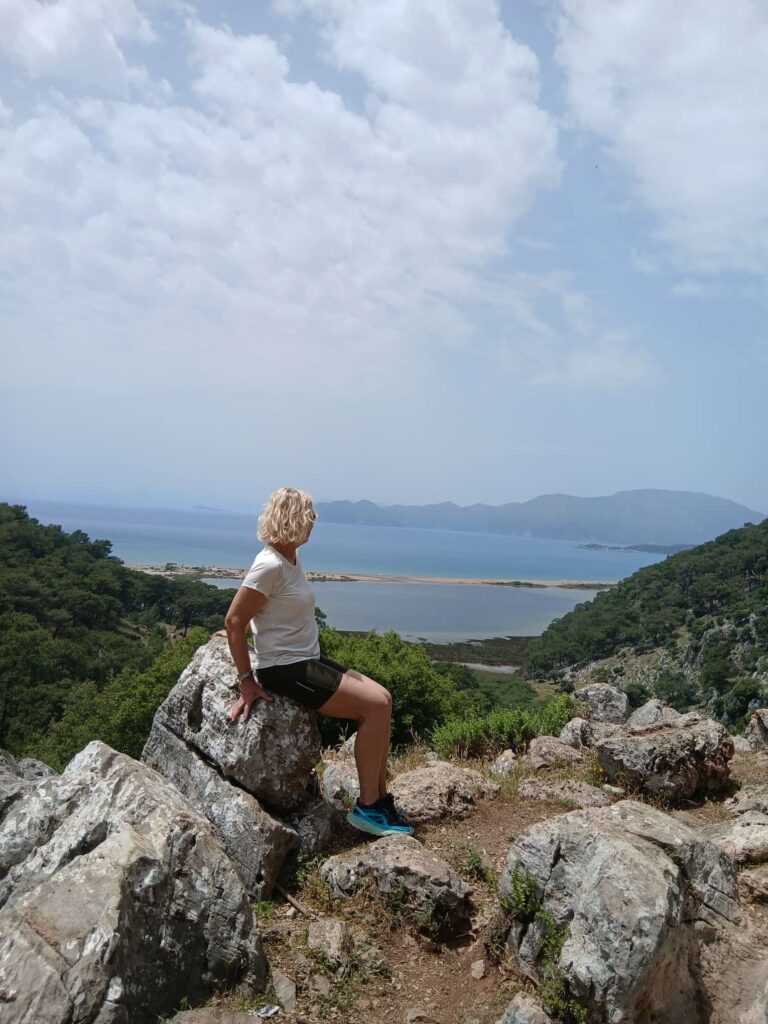
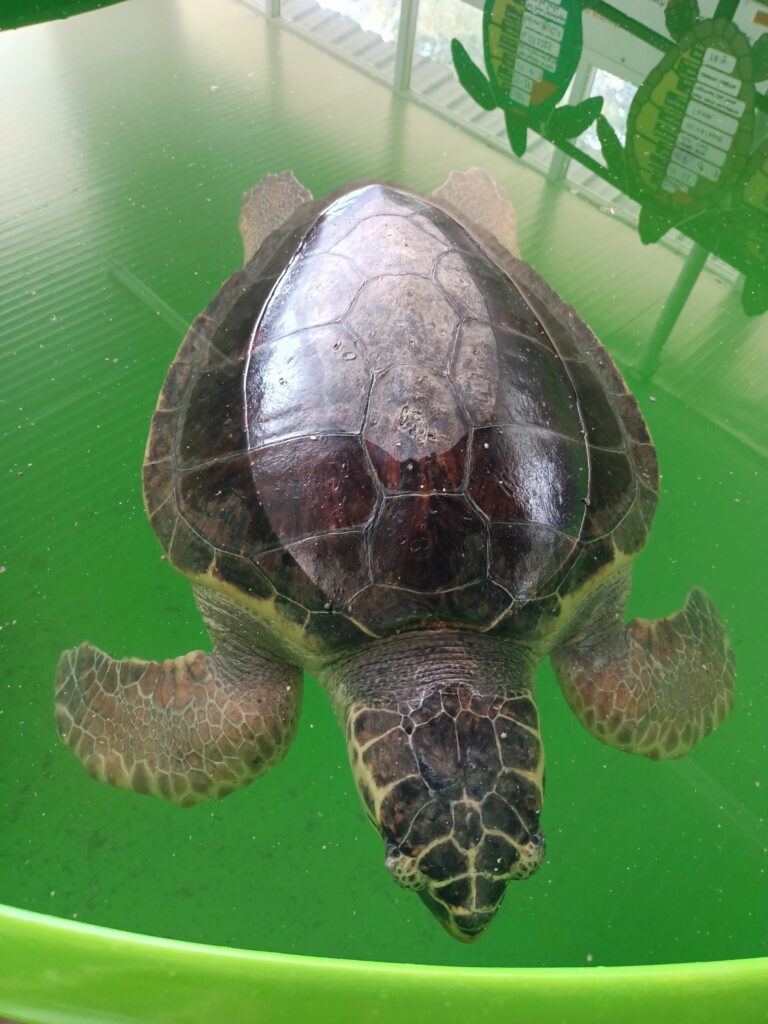
Closer to home, I visited Dalyan and the turtle rescue centre on Iztuzu beach (recently featured on Race Across the World). They monitor the two species of turtle (loggerhead and green sea turtles) that come to the beach every summer to nest, and care for sick and injured turtles. The fact that the beach is still pristine and an important nesting ground for the turtles is thanks in large part to an English lady, June Haimoff, who led the 1980s campaign to stop development on the beach.
above Iztuzu beach
At the turtle rescue centre
I have just started reading the autobiography of this amazing lady, called Captain June and the Dalyan Turtles. Apart from this, two books really stand out this month (and last!). I read them at the same time, and although they are very different in tone and location, they are set in the same era. What was striking, was the different experiences of the countries in question since that time.
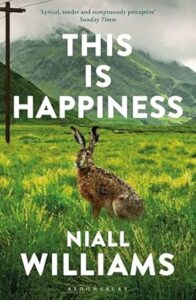
This is Happiness – Niall Williams
This is a beautifully written story that tells the coming-of-age of the young Noe, helped by the enigmatic Christy, in rural Ireland as it hails the advent of electricity. It describes the end of an era and the good and bad associated with that, but it it also a personal story of a young man looking back on his youth and the unusual friendship that helped shape him.
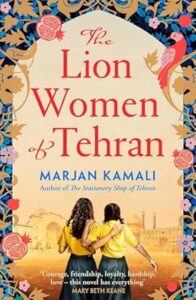
Lion Women of Tehran – Marjan Kamali
Also a coming-of-age story, also set in the 1950s, this tells the story of Ellie and Homa as they grow up in Tehran. Their fortunes change, both due to personal circumstances, and as a result of changes going on in Iran. It describes the hope of young people at the time, and the corruption that made so many people think the Islamic Revolution was the best way forward. It is sad to think of all the things the country has gone through—and is still going through—since then, but the book is also a joyous celebration of friendship.