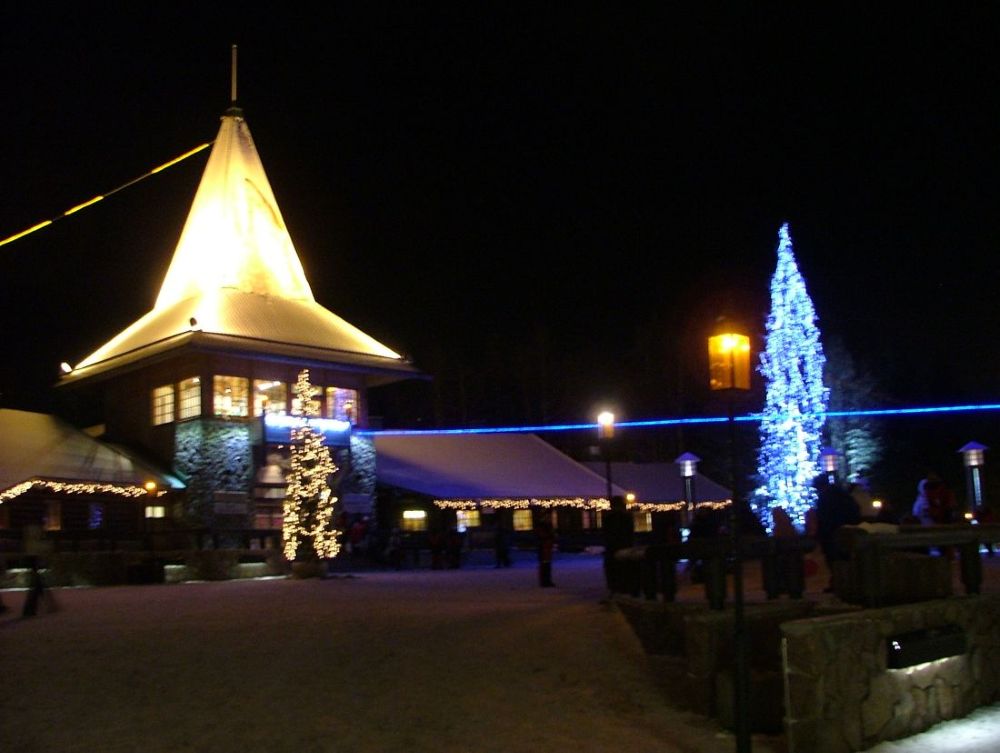
I am having my first UK Christmas since 2006. The last time I was here for the festive season, my younger son was six and we went to Finland to visit lovely friends and travelled to Lapland to see Father Christmas. After we left, my son said, ‘It wasn’t the real Santa’ and I thought he’d stopped believing in the man in red. When I asked why he thought that, he said, ‘Because he’s very busy, so he has to hire assistants’!
In Finland, Santa is called Joulupukki, which actually means Christmas goat! He is helped by the Joulutontto (Christmas elf), who looks through windows to check whether children are being good.
Since then, we have celebrated Christmas in Turkey. In the early days, this was challenging as it was hard/impossible to find Christmas trees, decorations or any of the other things that make up our idea of the festive season. We used to make Christmas cards and tree ornaments and I carried crackers back from the UK if I was over when they were available. For a tree, we had branches, small fir trees and one year some bean poles with the dried bean stalks (pods and all) still attached. Stuck in a bucket and hung with tinsel and decorations it didn’t look at all bad!
This year, I wrote a short story set at Christmas (you can read it using this link https://medium.com/@gilbertmelanieann/the-christmas-pudding-share-77b97521c1fb). As it starts in the 1950s, I had to do some research about Christmases past, in particular what toys were popular. I was surprised to learn that Play Doh and even Mr Potato Head date from the 1950s, along with Barbie, hula hoops and Matchbox cars. Ken appeared in the 1960s, along with Etch-a-Sketches and play cookers, while in the 1970s the popular toys at Christmas were Space hoppers, Walkmen and the games console Pong, which you plugged into the television, and which (my version at least) allowed you to play tennis, football and squash, although the only difference was the colour of the screen and the size of the goal.
Unlike toys, which come and go, our Christmas food traditions haven’t changed much. Turkey was apparently a popular choice with Henry VIII and was given an extra push by Charles Dickens, though it was only affordable by the upper classes until the early 1900s. The Christmas Pudding has been around for hundreds of years, though the tradition of ‘Stir up Sunday’, when all the family helped make the pudding, has mostly been forgotten. Thankfully, so has the custom of adding charms to the mix (other than a lucky coin), including a thimble which indicated certain spinsterhood for the recipient!
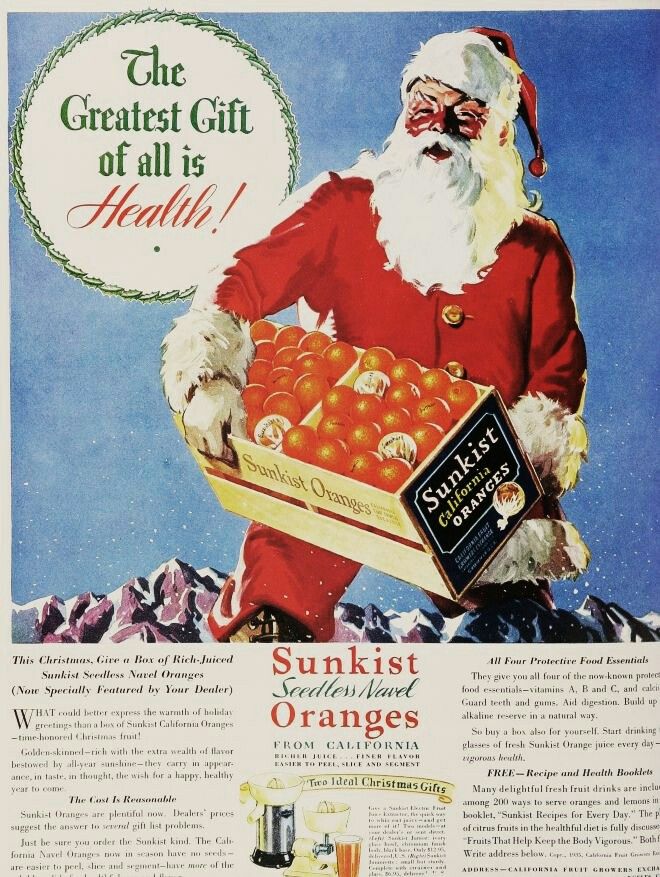
The association of oranges with Christmas, and particularly the orange in the stocking, dates back to Victorian times. Oranges were then seen as a luxury in winter, but the orange is also said to represent the gold given by Saint Nicholas to the three daughters of a poor family to stop them being sold into slavery. (You can read more about Saint Nicholas in the article on the Writing page).
Wherever you are celebrating it, and with whatever traditions, I wish you a very Happy Christmas and hope 2025 is a great year for all of us!