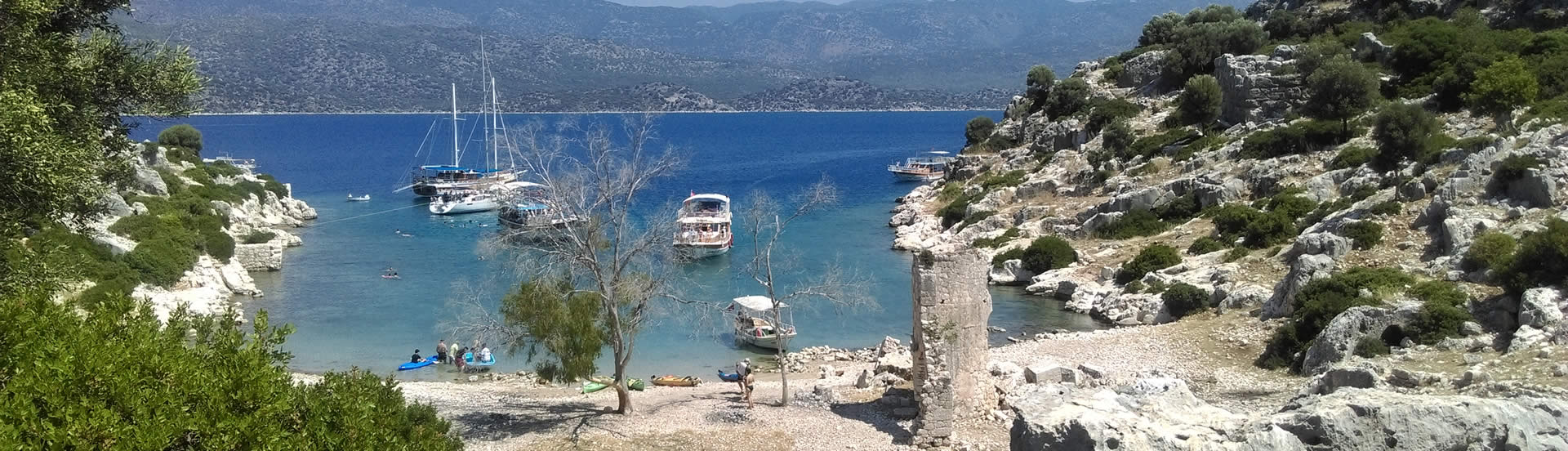
My first trip to Turkey – Türkiye as it prefers to be known – happened by chance when I wanted to go somewhere sunny and the travel agent offered me a package holiday to Altınkum. At the time, I knew little about the place aside from the fact that it was next to Greece, was the home of the kebab (of no interest to a confirmed vegetarian!) and gave its name to public baths, (though the proper name for a Turkish bath is hammam).
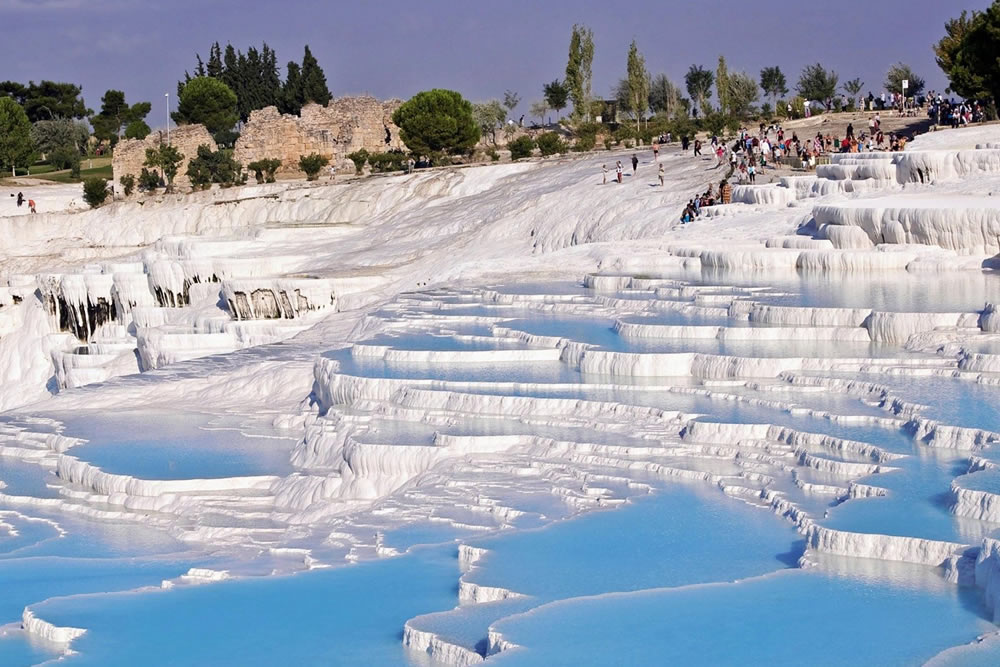
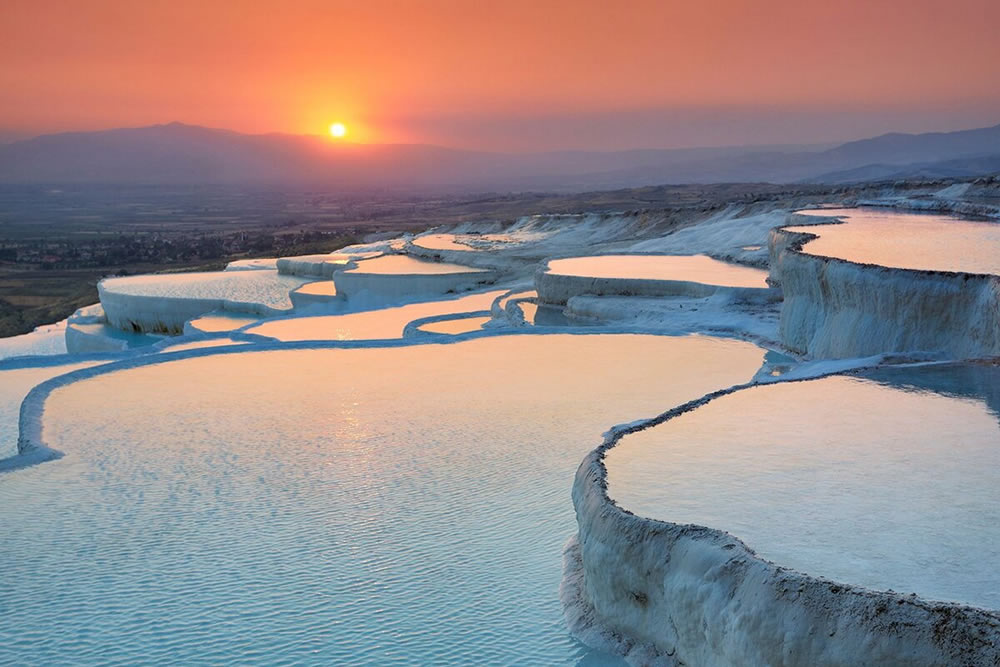
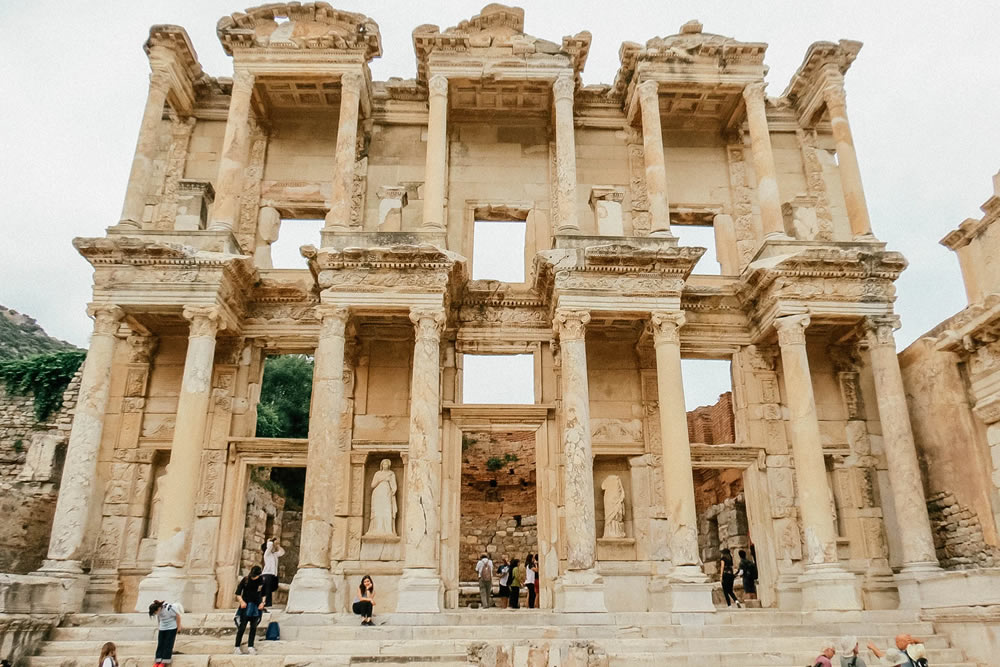
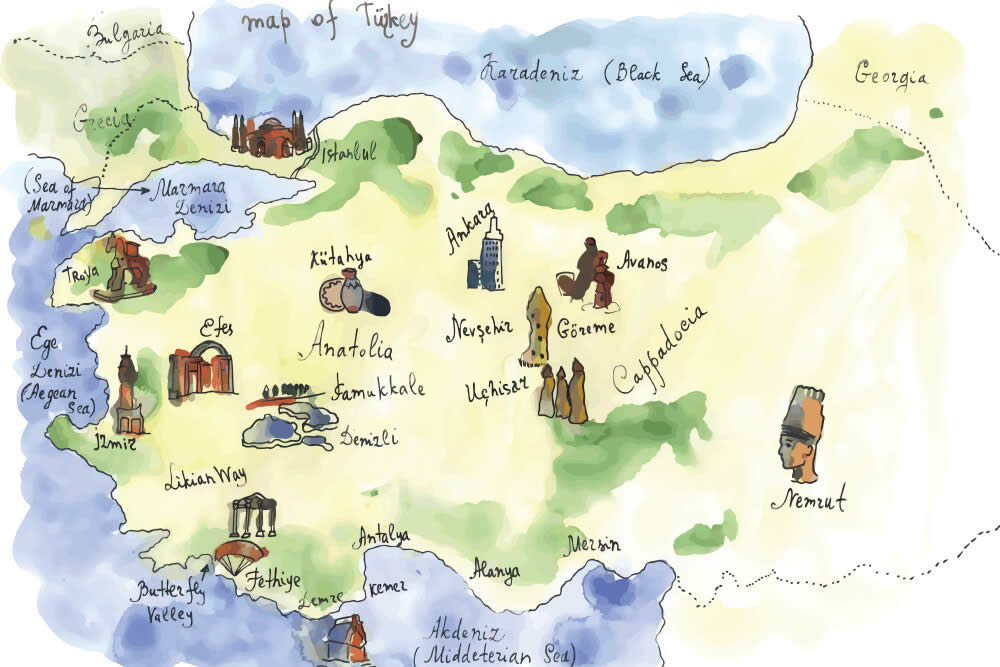
Whilst here, I visited the ancient cities of Ephesus and Didyma, saw the incredible calcium deposits known as ‘Pamukkale’ (Cotton Castle) and fell in love with Turkish food, particularly the meze. This first taste of all things Turkish inspired me to find out more about the country and the more I discovered, the more fascinated I became. Here are some of the amazing facts about Türkiye….
It covers an area more than three times that of the UK, and has a coastline on the Black Sea, the Aegean and the Mediterranean, as well as land borders with eight countries. It has one of the highest mountains in Europe – Mount Ararat at more than 5000m – and one of the largest lakes – Lake Van which is almost 4000 km² in area. The Mediterranean areas have hot summers and mild winters, while parts of the north east have snow for several months a year. In Antalya in winter it is possible to ski in the morning and swim in the sea in the afternoon!
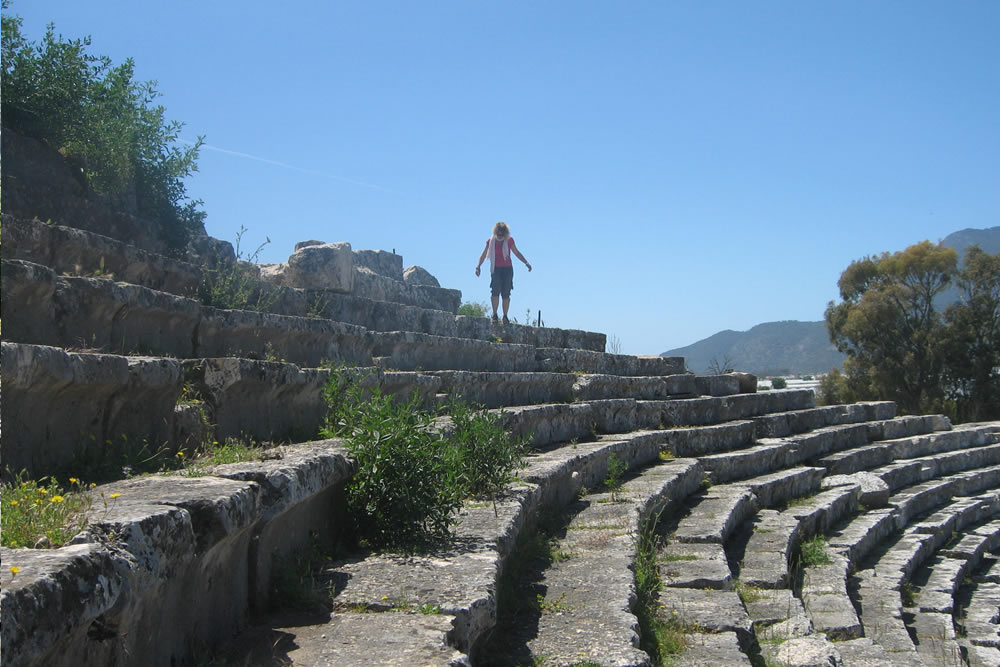
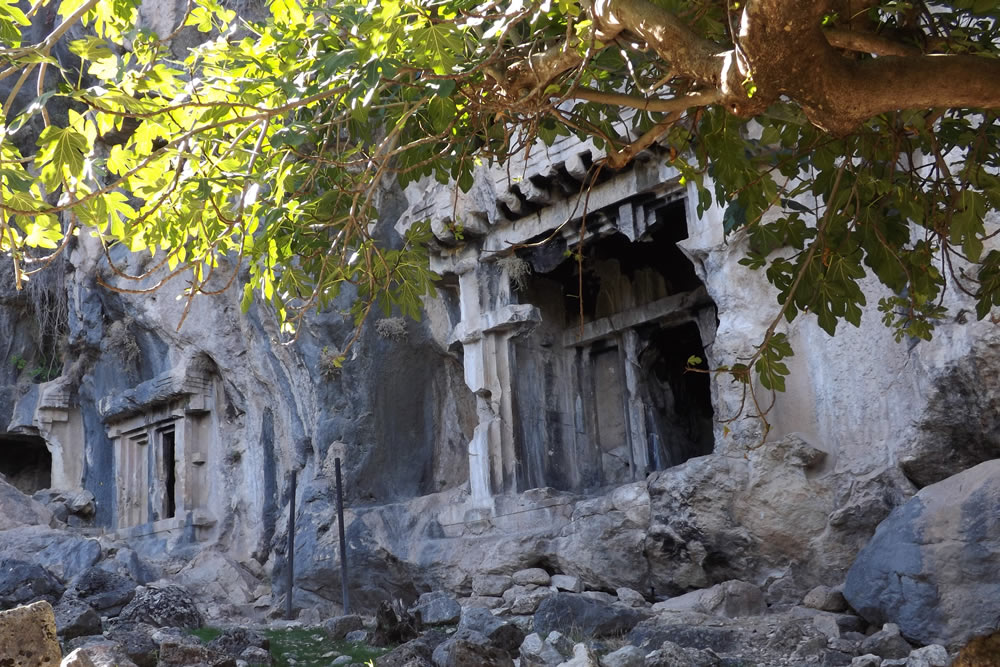
Türkiye is littered with relics of the past, from the 11,000 year old monuments at Göbeklitepe (6,000 years older than Stonehenge) to remains of the 600-year Ottoman Empire. It is the site of TWO of the Seven Wonders of the Ancient World – the Temple of Artemis and the Mausoleum at Halicarnassos. Many of the archaeological sites have not been touched and walking around you often come across a tomb in the middle of the road, or the ruins of an ancient bath house in the middle of a field.
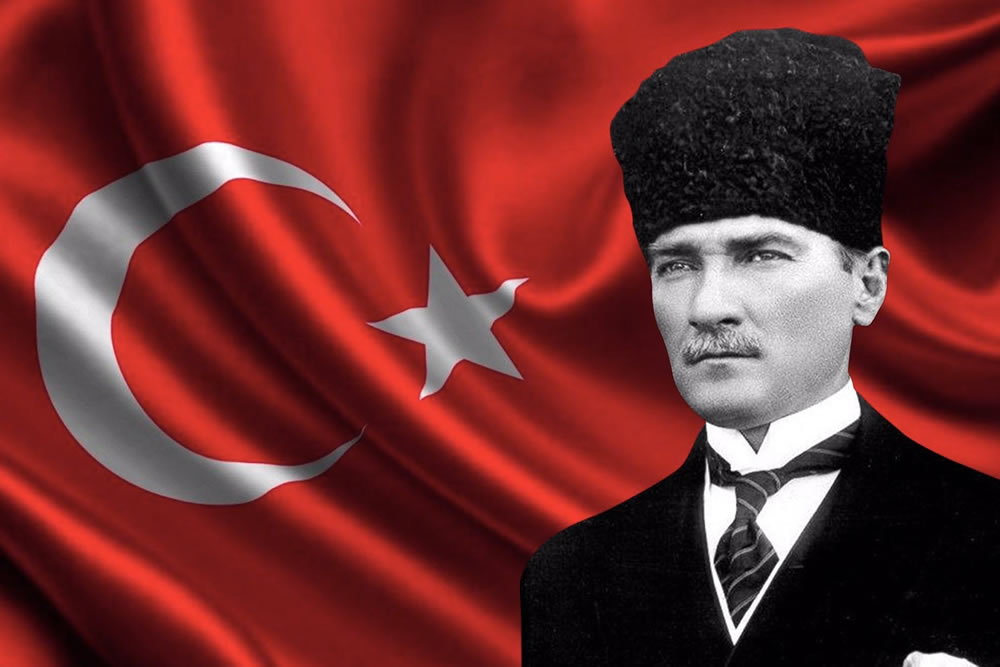
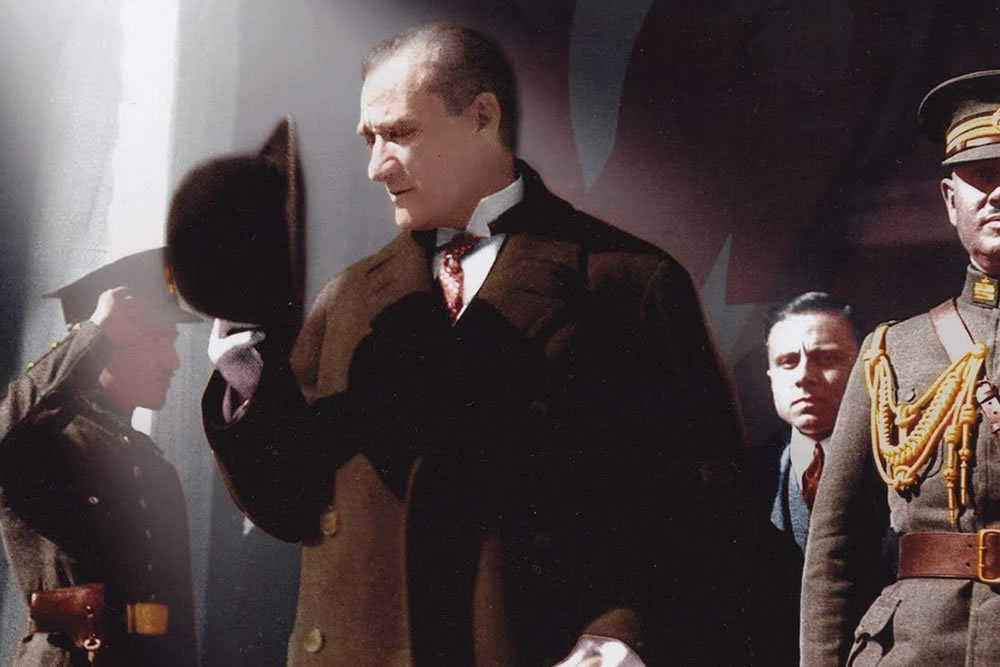
The Turkish Republic was established in 1923 following a struggle against the Allied Forces, who planned to partition what was left of the Ottoman Empire. The War of Independence led to the establishment of a new government and the election of Mustafa Kemal as the first president.
This charismatic leader, formally a soldier who had played a great part in the military campaigns, was subsequently given the name Atatürk (Father of the Turks). He is still venerated today and his statue and picture can be seen everywhere, not surprising given the far-reaching changes he introduced. The most important of these were a new secular constitution that separated government and religion, the introduction of the Latin alphabet in place of the Arabic one and the right of women to vote and be elected to parliament.
And here are some random facts about the country….
It is the world’s largest producer of hazelnuts, apricots and raisins!
The blue-green stone mined in Persia was shipped to western Europe through Türkiye and became known as turquoise (‘from Turkey’). The colour was named after the stone!
Tulips arrived in Holland from Türkiye, where they are still the national symbol.
Turkish people drink more tea than anyone else in the world; the per capita consumption is 40% greater than Ireland (second largest consumer) and 60% more than the UK (third largest).